The Asian Century, From the Inside
Most people protect what they inherit. Keith Miranda rebuilt it.
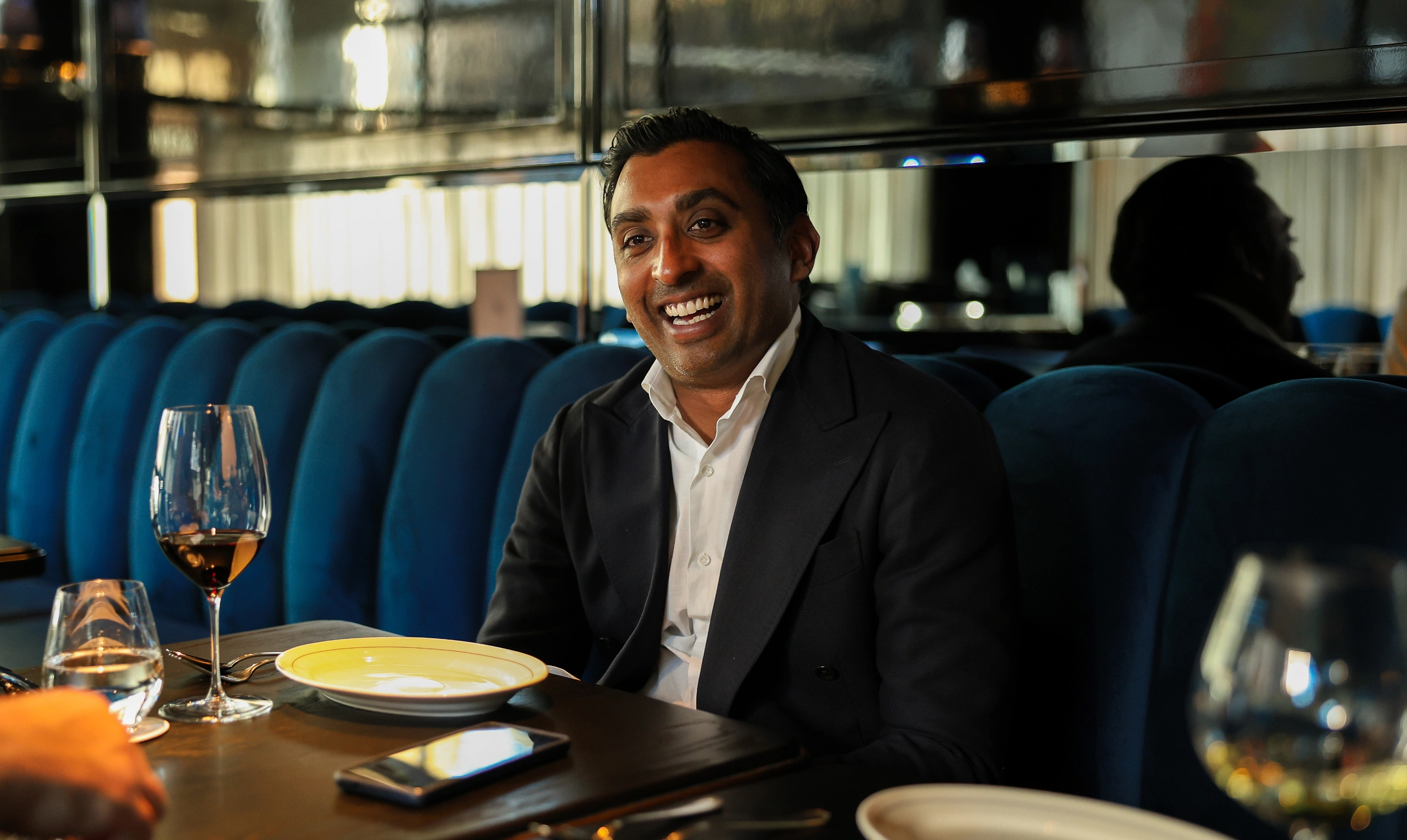
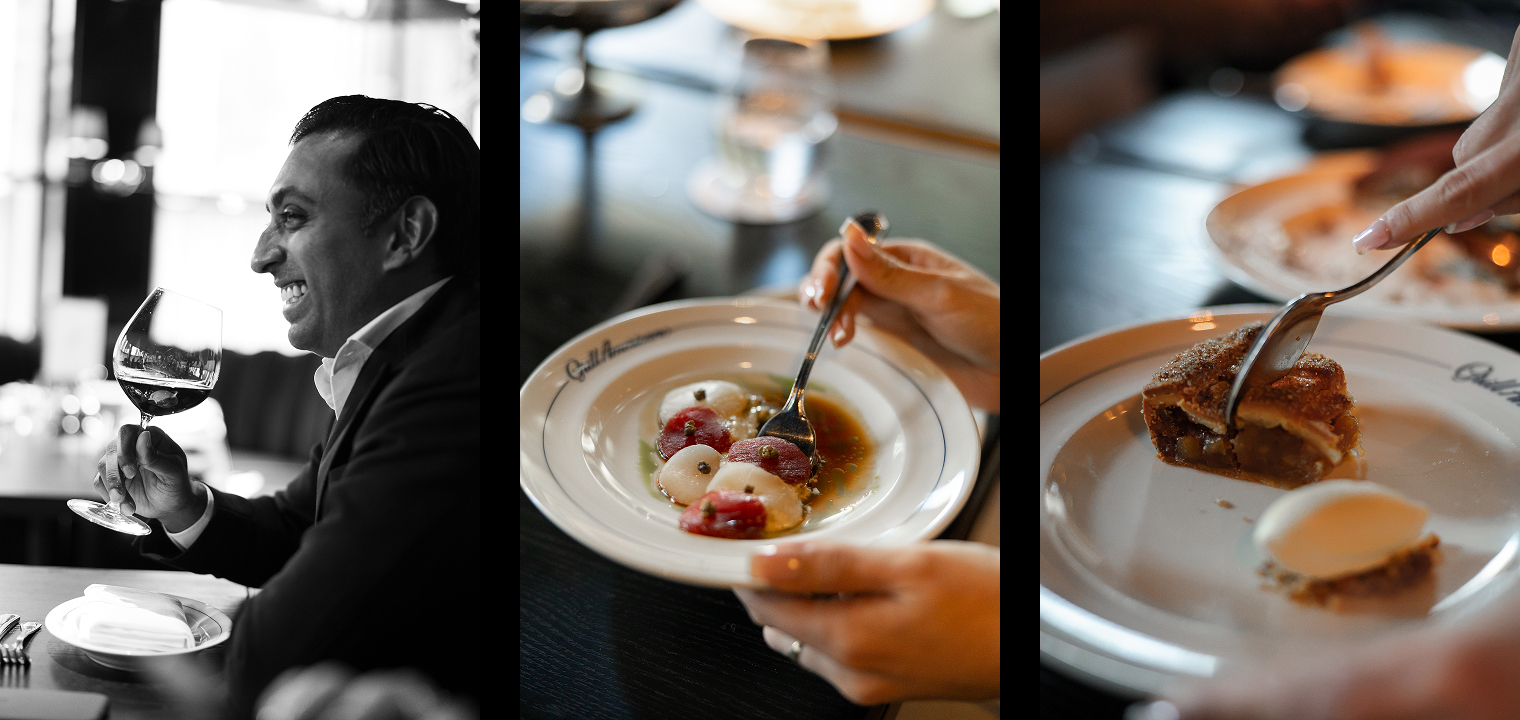
At Grill Americano, on the corner of Chifley Square, the light is coming through the full-height windows and hitting the marble bar that runs thirty metres down the room. Blue velvet, white jackets, four Josper grills going somewhere behind the wood oven at the centre of it. The octopus carpaccio has just landed, cut thin, and Keith is explaining, without any evident interest in making it sound impressive, how the family firm once announced Malaysia Airlines to the region by engaging Steven Spielberg’s production company. Planes coming up through skies and stars, the way airlines did it then. Asia watched to see whether an operator out of Kuala Lumpur could pull off Spielberg.
He could. And sitting in the corner of those meeting rooms, saying nothing, was a seven-year-old Keith. Nobody expected him to follow the deal. He followed the deal.
He had a fortunate base, but it was no handout. It was the first media business in Asia, established out of Kuala Lumpur ahead of Hong Kong, Tokyo or Singapore, at a time when nobody was betting on Malaysia to go first. What he did with it is the more interesting question, and it’s the one he’s least willing to answer. Ask him directly and you get about twenty words.
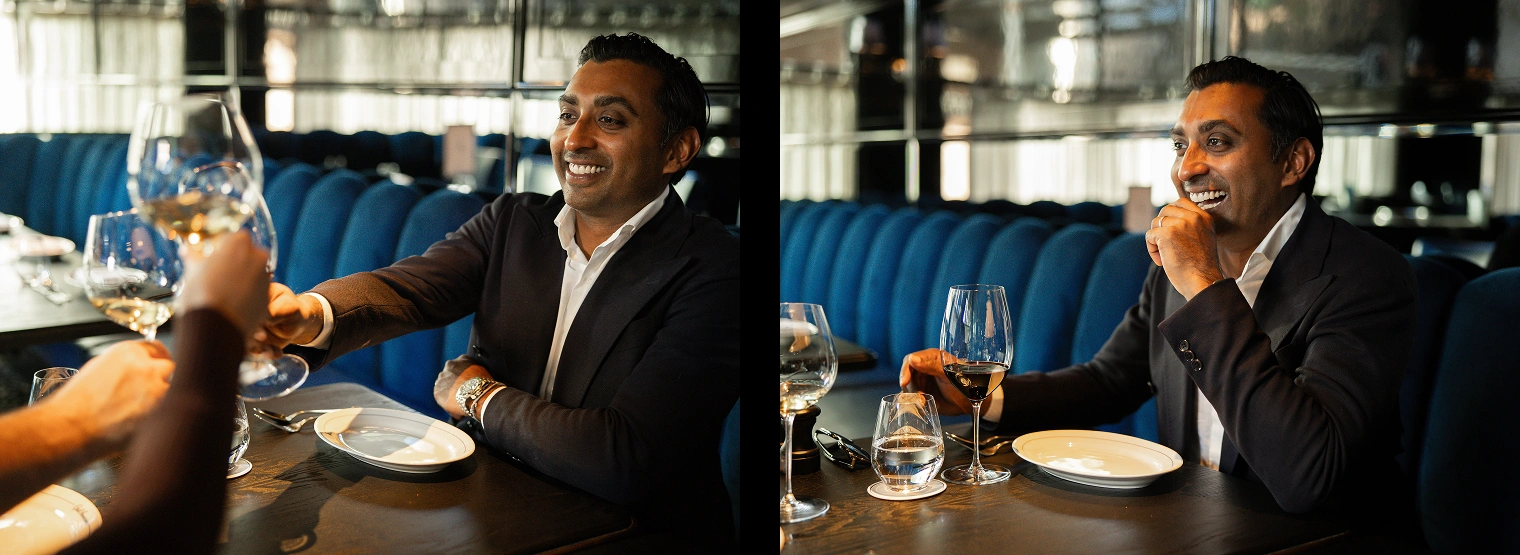
“We have grown significantly,” he says. “We’ve got a few assets. Have a great, great team.”
This is vintage Keith. Take a thirty-year-old company, rebuild it from an inherited franchise into an independent operator with its own name, its own assets and its own network, and credit the whole thing to the base you started from. The record tells a different story.
Under Keith the group has not been maintained, it has been transformed. A strategic partnership with Havas Global, and a trophy shelf its competitors have been reading closely. At the 2026 Media Specialists Awards it took the two titles that matter most to a man championing the transformation: Agency of the Year, and Growth Agency of the Year. Earlier in the year a different jury reached the same verdict, naming it Digital Agency of the Year at the D'Awards. The firm was built to reach the Asian consumer. Keith has made it a business that can win in the century that consumer now defines.
The evidence that the model travels is already on the table. The group established its Indonesia operation two years ago and is now the only Malaysian agency shortlisted for a mandate with one of the country’s largest state-owned companies. It is in advanced talks in Singapore and the Philippines. And its remit has pushed well beyond conventional media into sport and broadcast, taking in work with FIFA and the Chelsea F.C. and Johor Darul Ta’zim broadcast partnership. “We are not trying to export a Malaysian agency into ASEAN,” Keith says. “We are building a business that understands the markets we operate in.”
He mentions none of this. He mentions the team.
The quiet thing about him is this. He is not an Asian media executive passing through Sydney. Sydney is his base. The year runs between here, Malaysia and France, and his first language is French. He is selling the West a way in to Asia, and he is himself the argument for it, a man fluent in both rooms and at home on either side of the table. The credentials are formal as well as instinctive. For five years he was President of the Australia Malaysia Business Council, tasked with driving bilateral trade between Malaysia and Australia and supporting high-level government trade missions. Most recently he was a board member and National Treasurer of the Australia China Business Council, China being Australia’s largest trading partner, helping support high-level business and political engagement.
The operation he runs from both sides is not small. There are offices in Jakarta, Singapore, Manila and Kuala Lumpur, where the head office sits. Television and radio sit alongside the core business. The stated ambition is the largest independent media company in Southeast Asia.
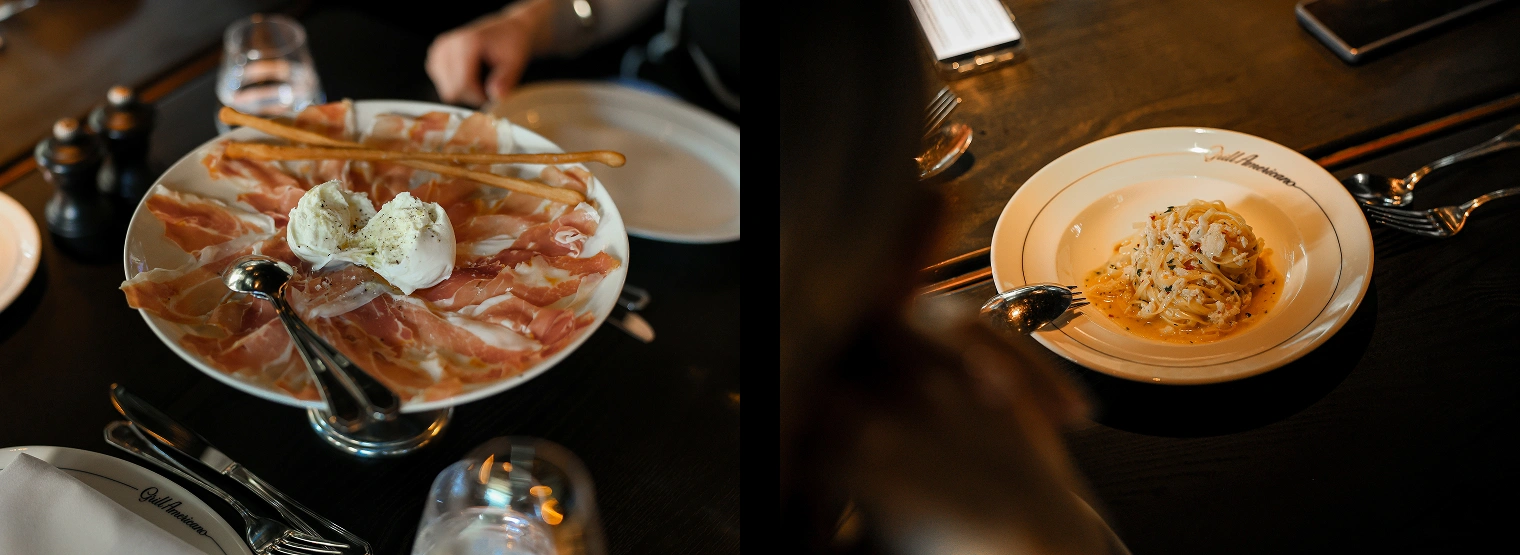
A plate of San Daniele and bufala mozzarella sits between us, the buffalo air-freighted weekly from Campania. Keith names the obstacle without flinching.
“Clients want to spend their money where the established players are. Facebook. Google. They don’t necessarily want to spend it with independent media companies. So the onus is on us — to show value, and to show the connect to the Asian consumer.”
That connect is the whole product. The bet is that Western companies will eventually need a way in to the Asian consumer, and that the way in is best held open by someone who understands both sides of it.
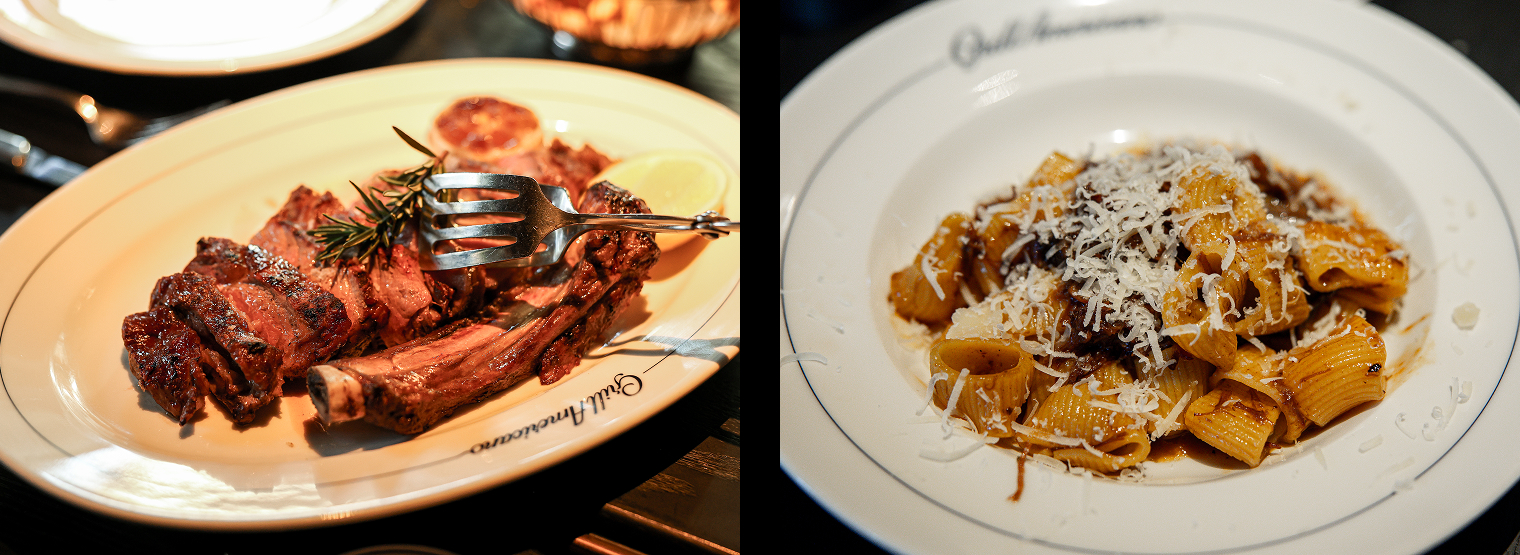
The rigatoni lands, wagyu beef and porcini slow-braised into something that needs no explanation, and with it comes the number Keith thinks the market hasn’t priced.
His case for the region doesn’t start with technology. It starts with demographics.
“Not long ago, fifty per cent of the GDP was in the kitchen,” he says. “Women weren’t working. That’s unlocking now. Even if you do nothing else but bank that — that’s fifty per cent.”
Add banked populations, internet access, healthcare, women entering employment, and the picture compounds. “They call it the Asian century. I’m not being biased. We see it in the numbers.”
Which is why almost every answer he gives about strategy turns into an answer about other people, about partnerships and trade. The linguine aglio e olio comes through with spanner crab, and he reaches for a proverb.
“If you want to go fast, go alone. If you want to go far, go together. I don’t think the size of the pie is limited.”
“If we’re all going in the same direction,” he says, “we’re absolutely able to grow the pie and then share it.”
A six-hundred-gram rib-eye is carved at the table and left mostly untouched while he talks. The conversation has turned, as it tends to with people who’ve had a good run, to what actually holds when things don’t.
His answer is plain.
“It’s in failure that you understand what’s going to catch you. In success you get caught up in the euphoria.”
It is family, loved ones, children. “The simplicity of unquestioned love. That’s what inspires me.”
On mentors, he refuses the single name. Different stages of a life, he reckons, call for different people: one to check you early, one to steady you through the hard years, one to let you loose once you've earned it.
“The trick is finding the right person at each of those stages,” he says. “It may not be the same person. Different horses for courses.” Arrogance, then moderation, then humility, then release, and everyone, he thinks, falls victim to the first.
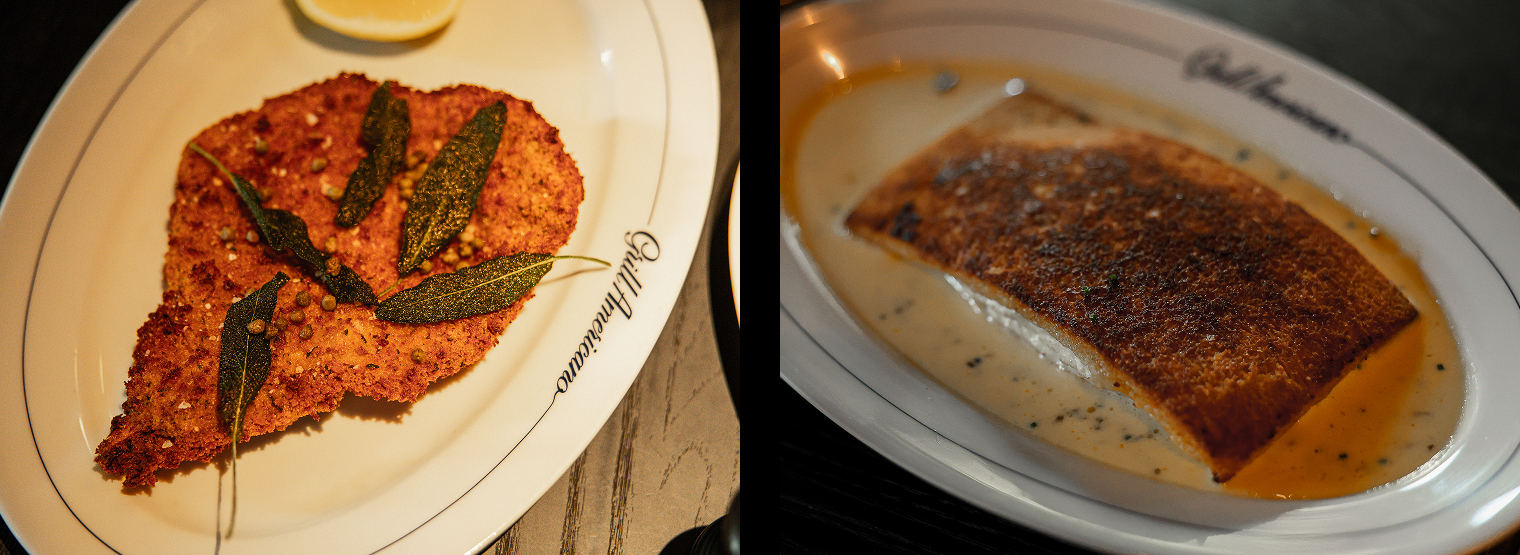
The veal cotoletta comes out under a crust the size of the plate, the John Dory en croute behind it in champagne caviar sauce. Ask him what he’s chasing and he doesn’t name a market.
“I’m chasing a mental place. Where money, Zen, happiness and peace intersect. I’ve had extremes in each of those things.”
Longevity in happiness, he says, is where all four intersect, not the extremes.
The closest thing to it on a map isn’t a hotel or a market. It’s his mother-in-law’s home in the Southern Highlands: a library, a fireplace, a serious collection of Scotch. He’s worked through her shelves, Keating’s memoirs to Packer.
“There’s a serene growth that happens in that protective environment,” he says. “It transforms wherever I go next.”
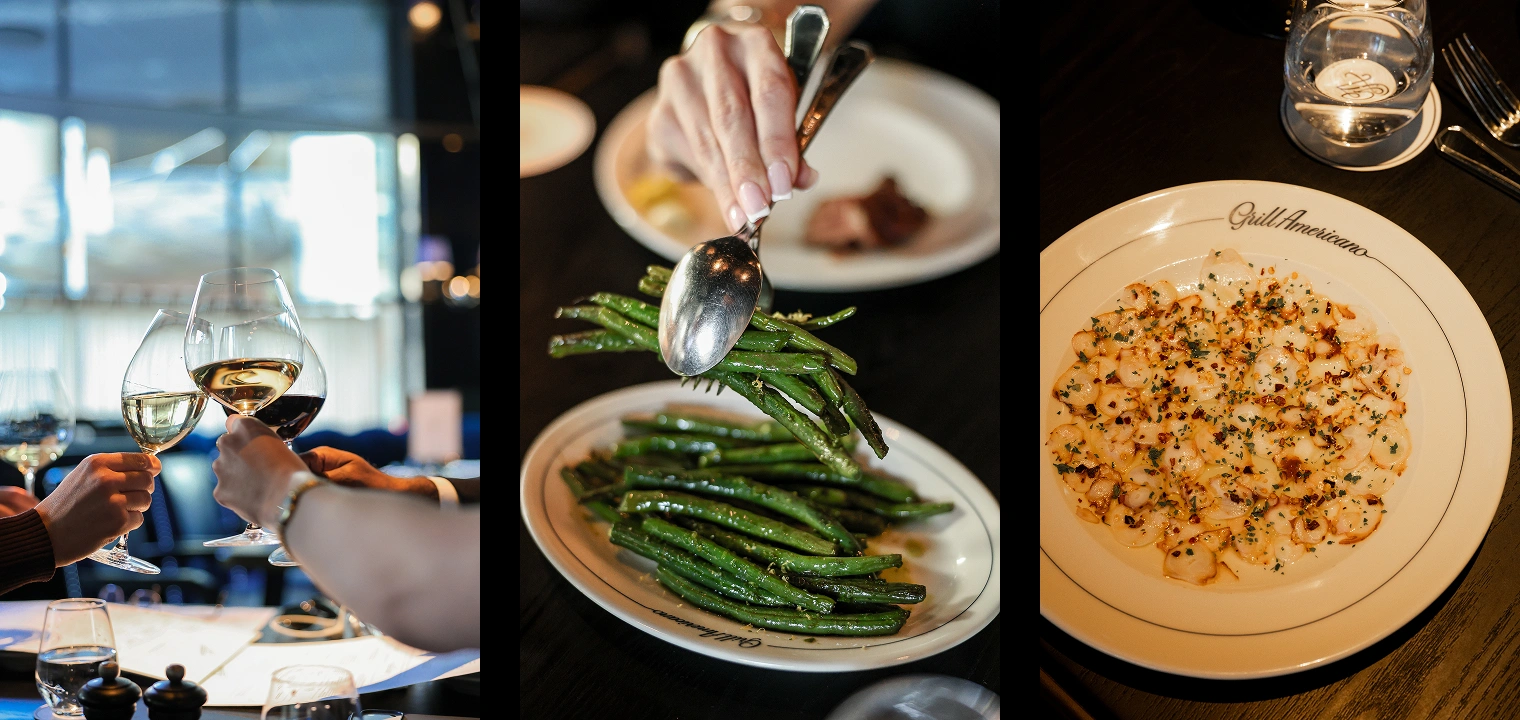
Ask him for his favourite restaurant abroad and he’ll give you Girafe in Paris. Ask what he returns to in Kuala Lumpur and it’s Stefania Osteria in Damansara Heights, for the feel of it. But he’s suspicious of the question, and the sides landing around us, house fries, green beans in pesto genovese, shaved cabbage with pea and reggiano, don’t change his mind.
“I’ve been in Michelin-star restaurants and at side-of-the-road places in Hanoi with a bottle of beer. It’s who you’re with.”
He’s newer to Unobtanium than most, which makes his answer on it more useful than a veteran’s. It isn’t about the access.
“It boils down to trust,” he says. “That the team at Unobtanium have my best interest at heart, my family’s best interest at heart – whether it’s an experience, something I’m concerned about, or something I aspire to. That trust is a comfort. And that’s the true differentiator, beyond the access and the networks.”
There’s a story he tells near the end, almost as an aside. He was young, out with friends, when his father called and insisted he come and have a drink. He arrived to find security on the roof, a chief of staff at the door, and Bill Clinton sitting at the bar.
He has children of his own now. He doesn’t take them to meetings.
He takes them to the park.
The door into Asia opens from the inside. Keith Miranda is inside.
Request a call with
Keith Miranda

What we ordered
- Octopus Carpaccio
- Prosciutto San Daniele — Bufala Mozzarella, Grissini
- Linguine Aglio e Olio — Spanner Crab
- Rigatoni — Wagyu Beef & Porcini Ragù
- Veal Cotoletta alla Milanese 350g
- John Dory en Croute — Champagne Caviar Sauce
- Rib-Eye 600g — Private Selection
- House Fries Americano
- Green Beans — Pesto Genovese
- Insalata di Cavolo — Shaved Cabbage, Pea, Reggiano